
Artem Efremenko in a grey hoodie, leaning on a railing above a city at dusk and looking back at the camera.

About

I make transport legible to the people who use it, fund it, and build it.

I came to this from the inside. I have worked on BRT corridor design in Baku, a transit network reform in Glazov, navigation and a design code in Yekaterinburg, wayfinding in Belgrade, and passenger communication at Moscow Metro. So when I photograph a tram stop or explain a timetable, I have a fair idea of what it took to get it there.

The other half of the work faces outwards. I produce photography and video for transport authorities, including in Moscow and Tallinn. I also shoot transport infrastructure across Europe and run transport channels, because public transport is genuinely interesting and most coverage of it is either too technical or too nostalgic.

Some of it is shot from above. I am an EASA-certified UAV pilot (A1/A3) and fly a DJI Air 3, which is often the only way to show a piece of infrastructure as a whole.

I have been to around 40 countries specifically to study how they move people. In 2026 I won first prize in the Travellers Cup category of the Stadler photo competition and collected it in person at InnoTrans in Berlin.

I live in Warsaw, where I finished a bachelor's degree in Social Communication and PR in 2026.

Based in
Warsaw, Poland
Work
Wayfinding and navigation, transit planning, passenger communication, photography, video
Aerial
EASA A1/A3, DJI Air 3
Award
First prize, Travellers Cup, Stadler photo competition 2026
Artem Efremenko taking a selfie with a large fluffy grey cat under a blue sky.
Also on the team.

Get in touch

Media

Where my photographs have been used.

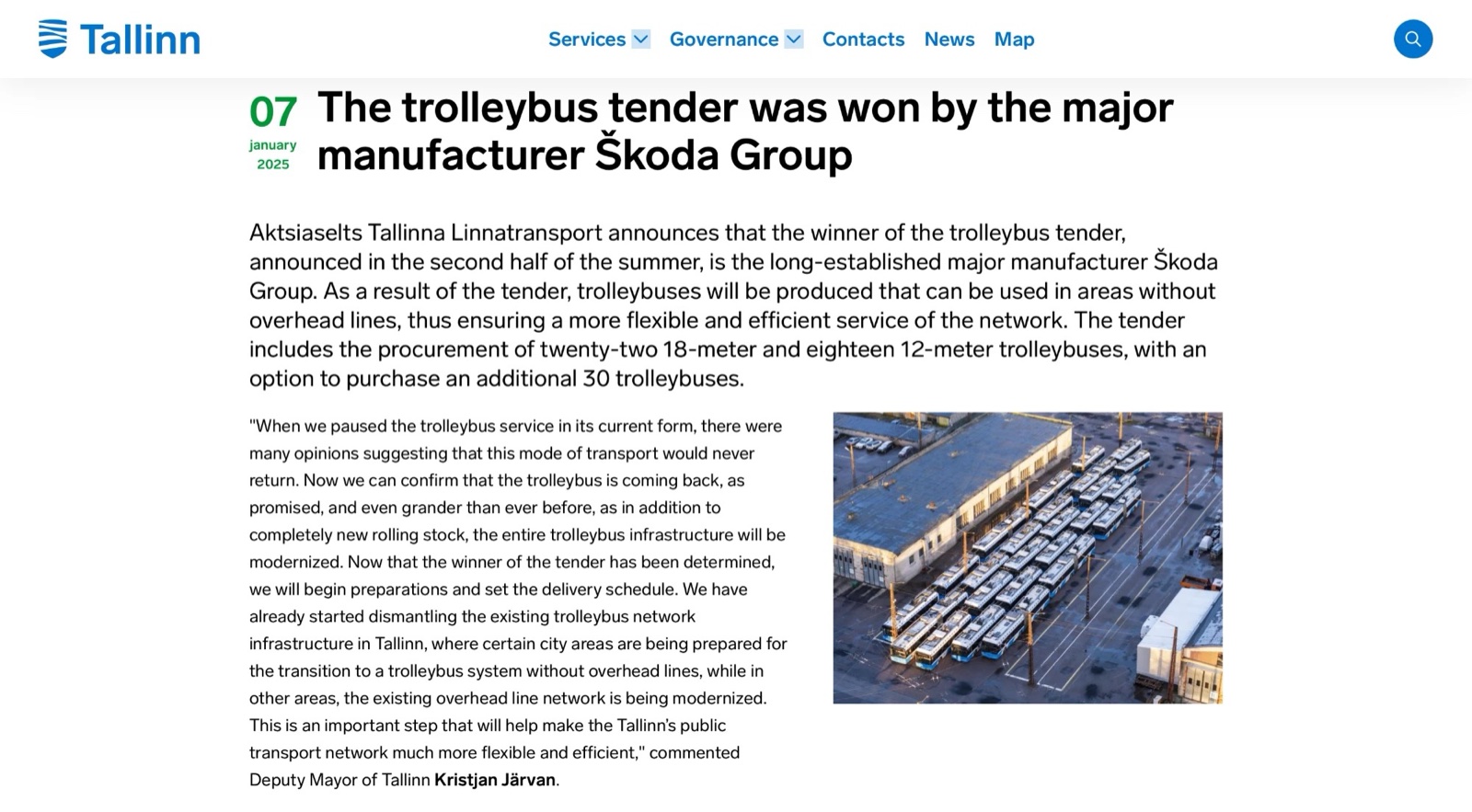
Screenshot of a City of Tallinn news page about the trolleybus tender won by Škoda Group, illustrated with an aerial photo of a trolleybus depot.
City of Tallinn website, news on the trolleybus tender, January 2025
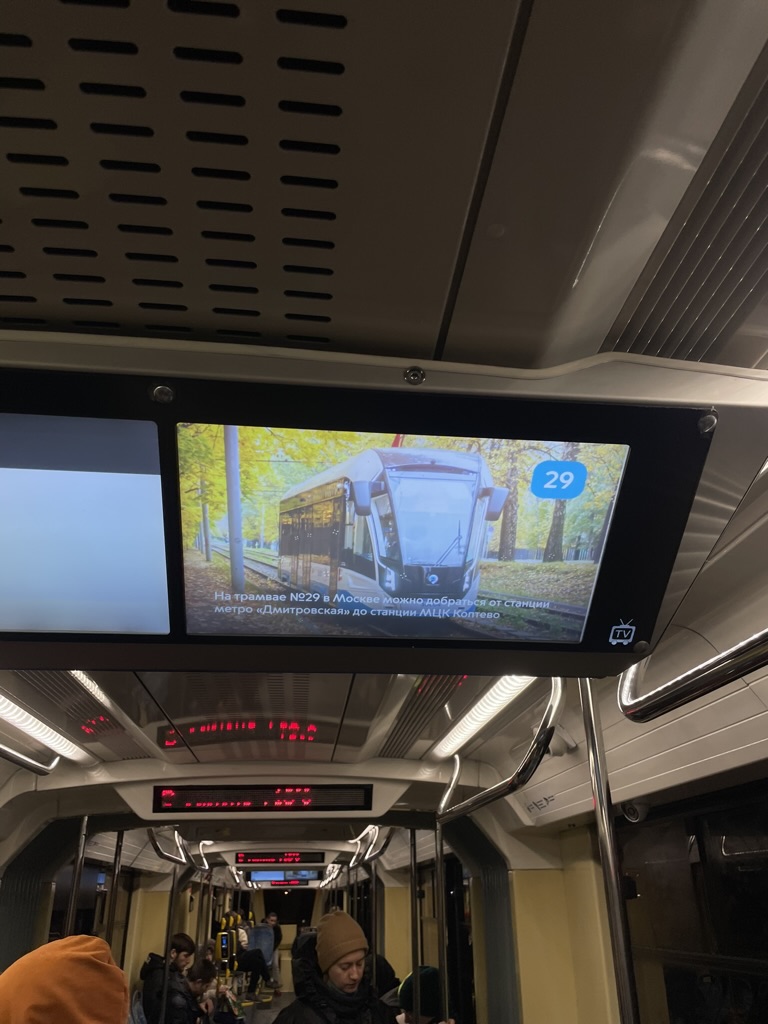
Passenger information screen inside a Moscow tram, showing a photo of a modern tram among autumn trees on route 29.
On-board passenger screens, Moscow trams
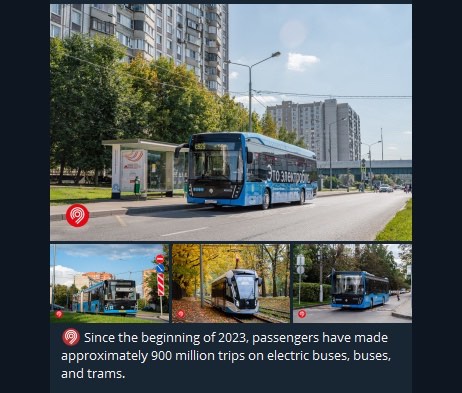
Social media post about 900 million trips on electric buses, buses and trams since 2023, illustrated with four photos of electric buses and a tram.
Moscow Transport, social media post on ridership
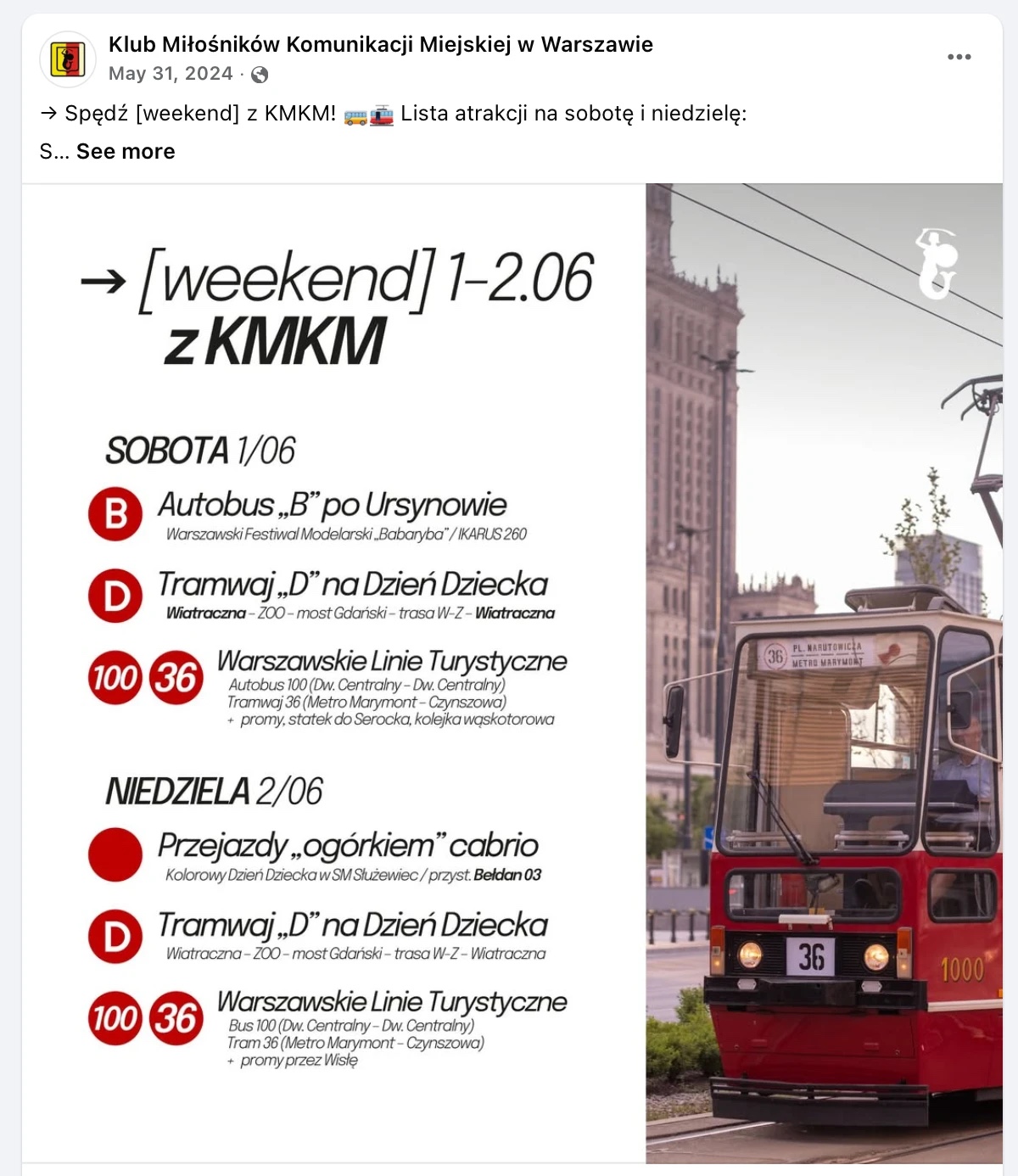
Facebook post by the Warsaw public transport enthusiasts’ club KMKM announcing a weekend of heritage bus and tram rides, illustrated with a photo of a red tram on line 36 by the Palace of Culture.
KMKM Warsaw (public transport enthusiasts’ club), Facebook, May 2024
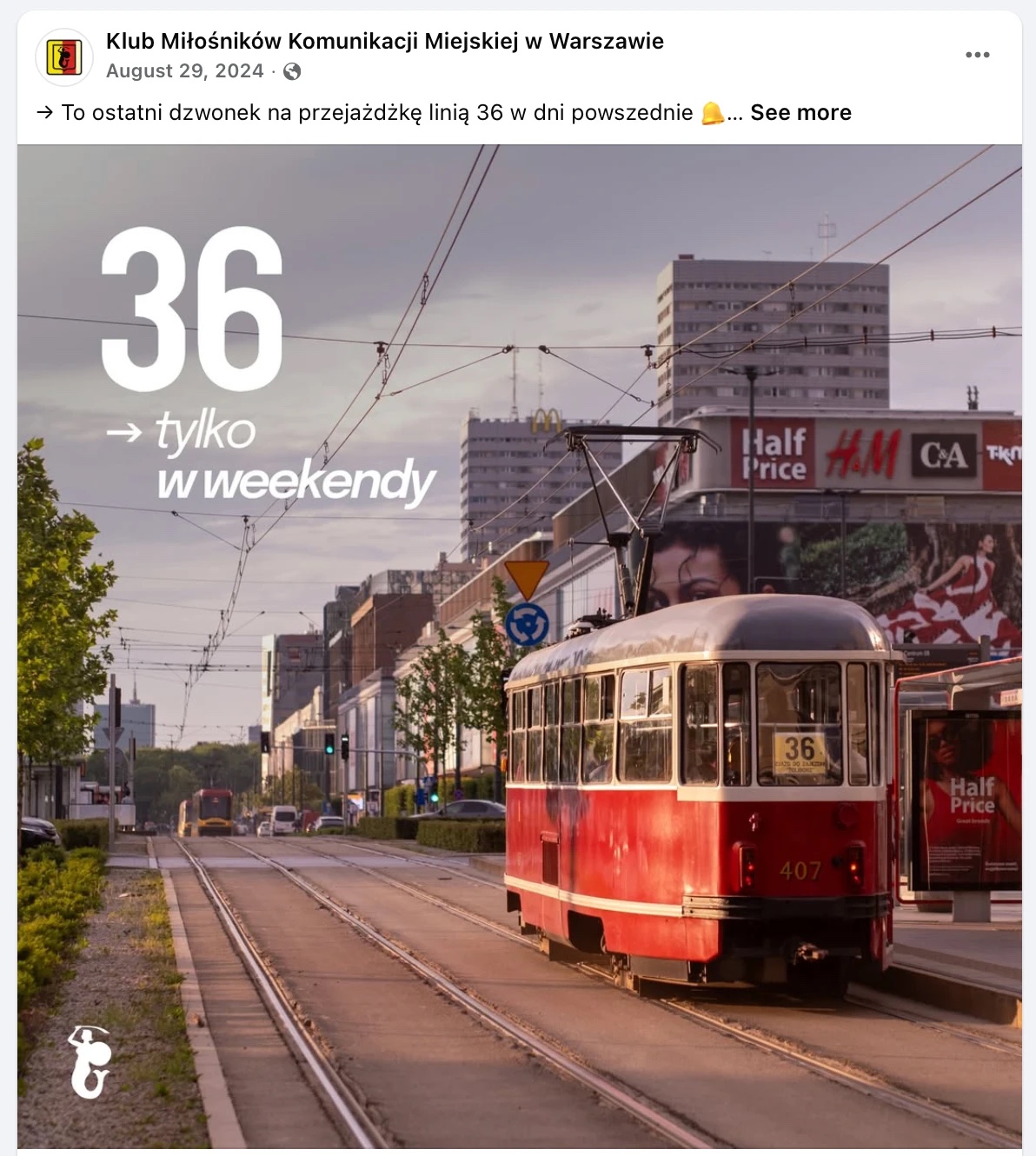
Facebook post by KMKM Warsaw about heritage tram line 36 running only at weekends, illustrated with a photo of a red tram at a stop in evening light.
KMKM Warsaw, Facebook post on heritage tram line 36, August 2024

Transport

The inside half of the work: networks, navigation, and how transport explains itself to the people who ride it.

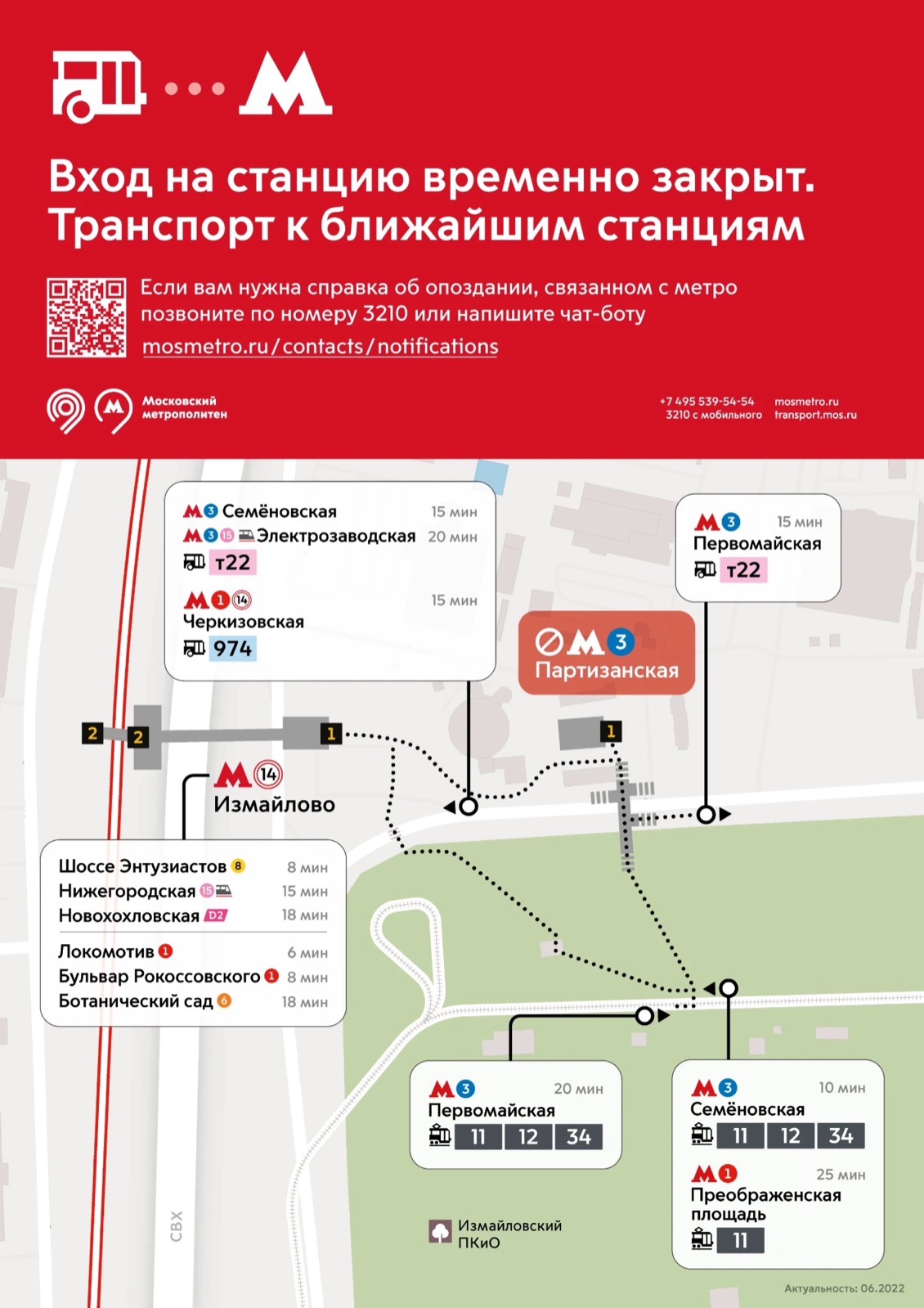
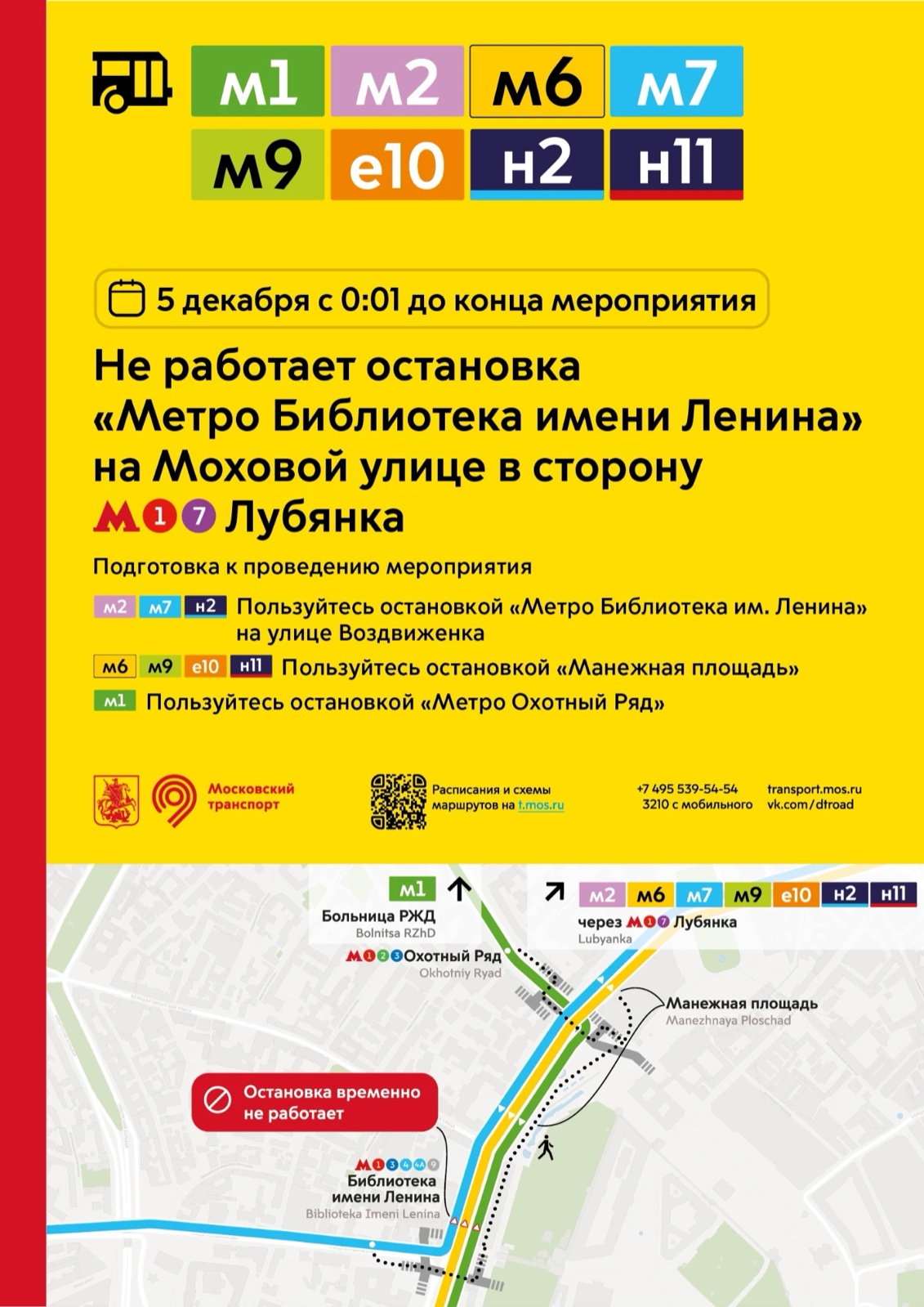
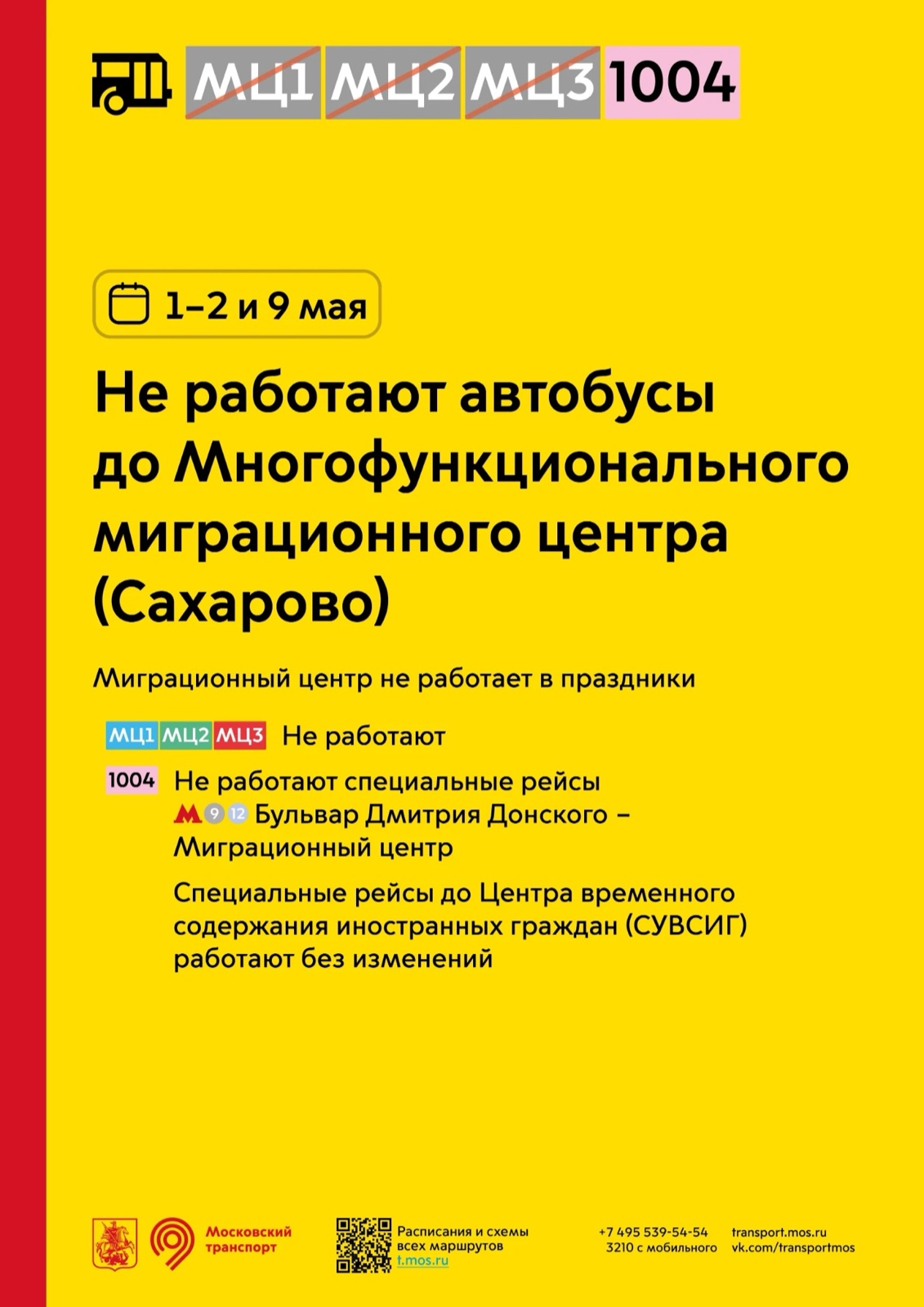
Moscow transport

Moscow · Moscow Metro, Mosgortrans

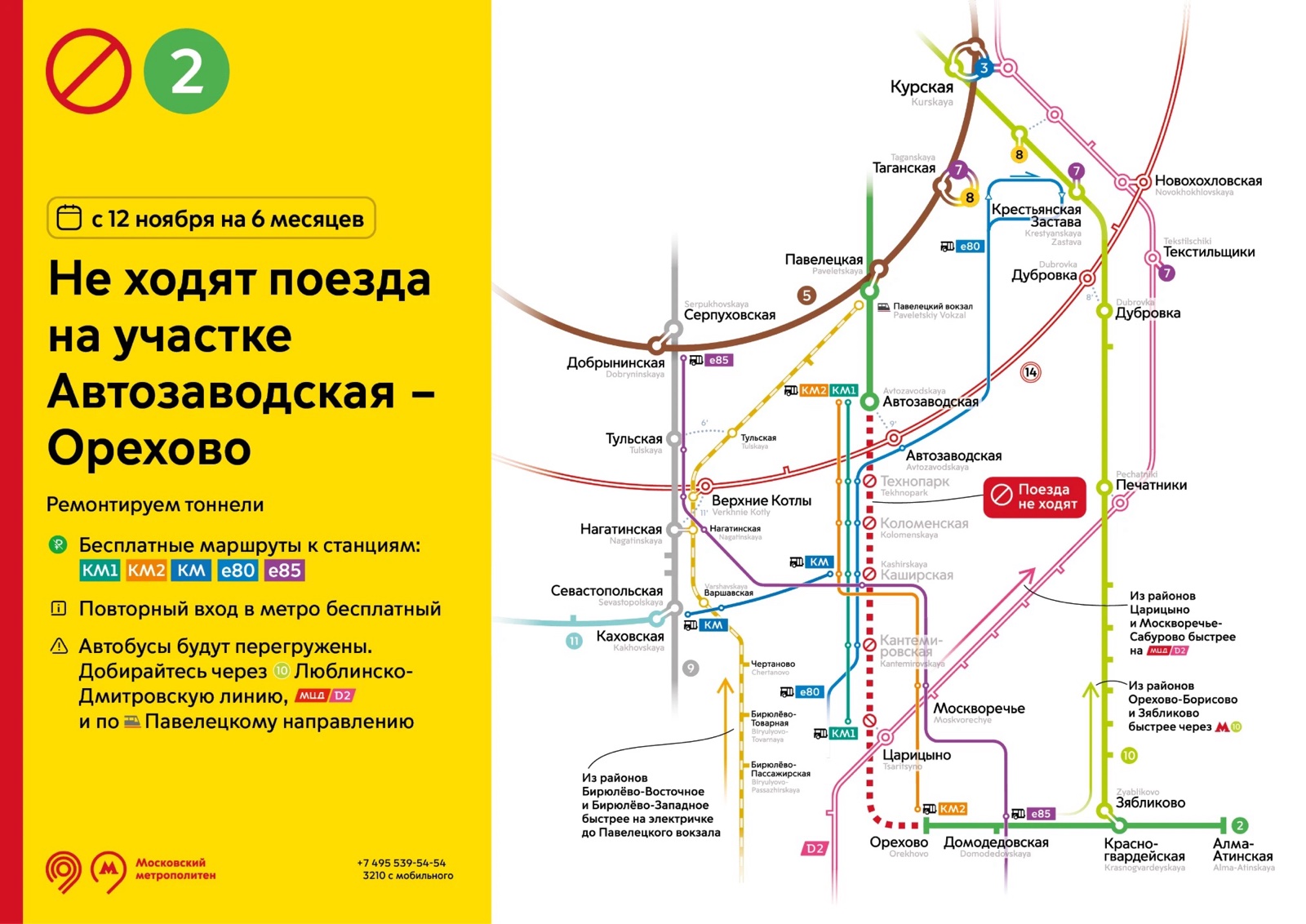
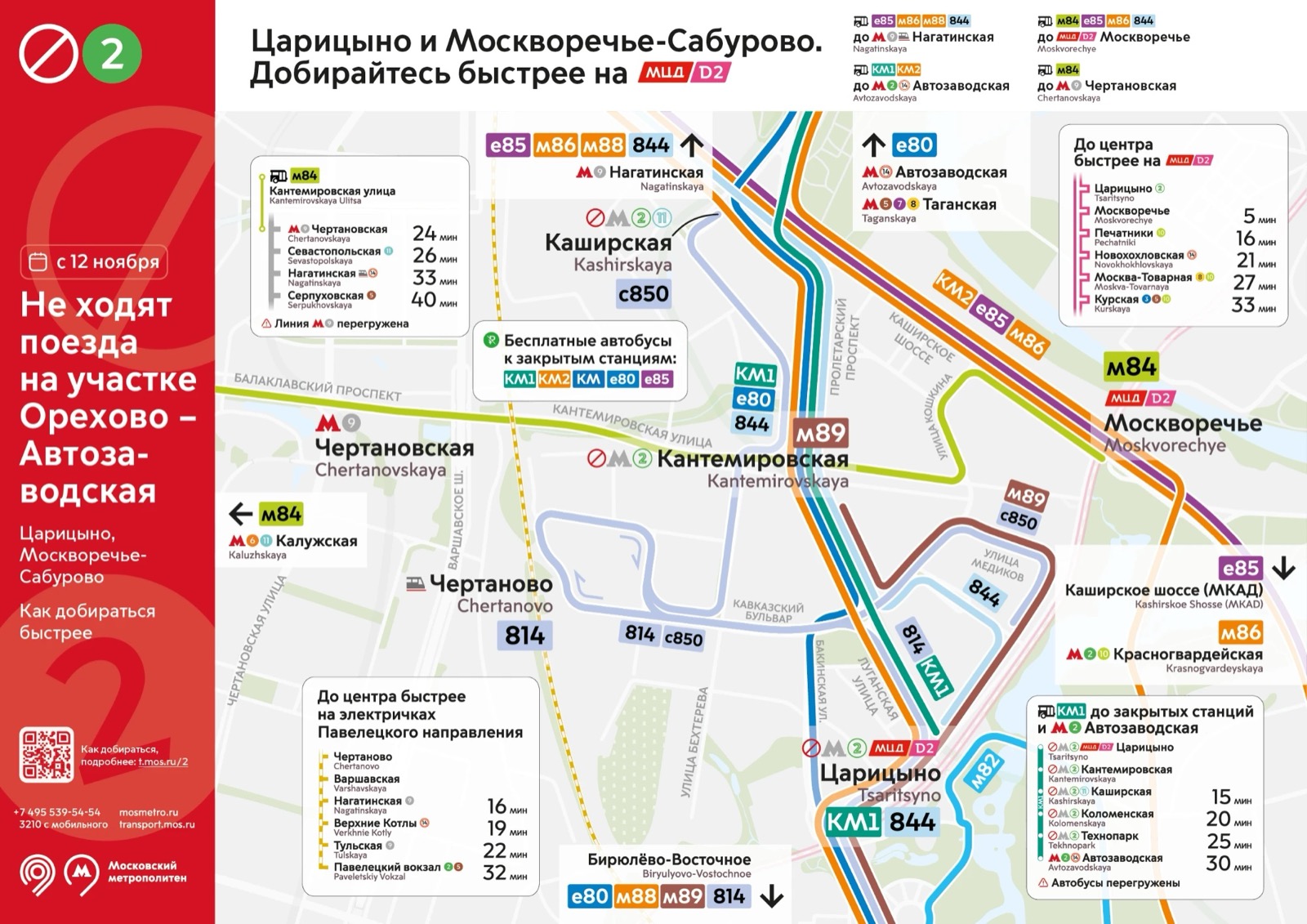
Passenger communication for the metro and the city’s surface transport: notices about closures, diversions and replacement services, from a single station entrance to a six-month closure of part of a metro line.

  • Writing the brief for each notice: what changes, for whom, from when, and what passengers should do instead. Then working the design through with the designer until it says exactly that.
  • Working within the Moscow Transport and Moscow Metro brand books: route and line identifiers, pictograms, colours, layouts and the fixed structure of a notice.
  • Magistral, the reform of Mosgortrans’ surface network.
  • Photography and video for the city’s transport, used on on-board screens and in official channels (see Media).
Yekaterinburg Design Code · Glazov transport reform

Glazov, Udmurtia · autumn 2023 · Editor

In autumn 2023 Glazov reformed its public transport route network. The Yekaterinburg Design Code team designed how the change was shown and explained to the city, to help residents adjust to it. I worked on it as editor.

  • 149 information stelae on a modular “bento” grid that fits route maps, timetables, notices and short local-history facts about places near each stop, supplied by the city’s museum of local lore.
  • Booklets for the volunteers who answered residents’ questions, and infographic posters for stops.
  • Slogans, among them «Хватит ходить по кругу!» (“Stop going round in circles!”) for the end of the old circular routes.
  • New route boards for the buses, with termini and key stops picked out, shaped to fit the bus windows.
  • An ambigram logo that reads upside down too. It contains the letters Г and Т (Глазов Транспорт), and its eye shape refers to the origin of the city’s name and to the shape of its central square.
  • Bus livery carrying friendly slogans.

Project page (in Russian)